




Every year, homeowners around the country suffer billions of dollars in property damage caused by termites. South Carolina residents are no different. Here in The Palmetto State, termites are especially active due to our ideal climate. Everyone loves our springs and summers, and so do termites. They're known to wreak havoc on the structural integrity of homes in the Lowcountry and throughout the state. It may be surprising to hear, then, that many of the homes we're referencing had termite bonds - which is essentially a contract between a homeowner and their termite prevention company. This bond holds the company accountable if termites or damage are found after treatment. Unfortunately, many termite control services and insurance companies try to escape responsibility, using complicated contracts, terms, and language as a shield from honoring the bond.
Other times, before buying a home, a homeowner relies on a "trustworthy" home inspector to identify costly issues and areas of improvement. In situations like these, the home inspector's knowledge and guidance are paramount to safety. In many cases, however, home inspectors fail to detect significant issues like signs of a termite infestation.
In both scenarios above, the homeowner may be entitled to compensation. With an experienced termite lawyer in North Charleston, SC, the average person has a chance of winning in a court of law. That's where Cobb Hammett, LLC, comes into play.
The Cobb Hammett Law Firm Difference
With a comprehensive understanding and knowledge of termite control and home inspection contracts, Cobb Hammett law firm specializes in cases involving termites. We're proud to represent home and property owners who are harmed by pest control and home inspection negligence. We believe that when you sign a contract with one of these entities, the terms of the contract should be upheld. When they're not, somebody must be held responsible.
Instead of trying to take on these companies without a lawyer and wasting hundreds of hours to untangle a web of legalese, let Cobb Hammett, LLC handle the hard work on your behalf.
When you choose Cobb Hammett for a termite damage attorney in North Charleston, SC, you can rest easy knowing you're in confident, capable hands. Clients trust our law firm for termite damage cases because we have:
- A Demonstrated Playbook of Strategies
- A Proven Track Record of Successful Termite Cases
- Substantial Termite Evidence Lockers with Experts and Depositions
- Experience Handling Cases Across the Southeast United States
- Manuals for Many Major Termite Control Companies
Unlike some termite damage law firms, our lawyers study the practices and policies of large termite control and home inspection companies. We use creative strategies to avoid unfair arbitration clauses and have devoted real resources to solving our client's claims.
Simply put, you can trust our termite damage attorneys with your case because we genuinely care about you as our client.
Whether you're a homeowner, commercial property owner, or a homeowner's association, know that you're not alone. If termites are causing damage to your property, don't let giant pest control chains or home inspection franchises take advantage of you. The cost of repairs should fall where it should - on the shoulders of the home inspection company, pest control company, or their insurers.
Holding Termite Control Companies Accountable
In a perfect world, customers would be able to rely on results provided by pest control companies. Unfortunately, many termite companies intentionally mislead their hardworking clients.
Termite control companies of all sizes have convincing strategies for skirting responsibility when their work is shoddy. They know how to utilize legal jargon, intimidation and confusing contracts to their advantage, deterring ordinary people from filing lawsuits.
At Cobb Hammett, LLC, we're very aware of these tactics and excuses. Our attorneys overcome these defenses with effective tools, exposing the termite control company's failure to deliver on promised services. Unlike some law firms, our termite damage lawyers have an solid track record.
We're not afraid to get our hands dirty when it comes to holding termite companies accountable for damages you suffered. We'll do everything in our power to do what's right and get you the compensation you deserve.
Though every case is different, we're often able to recover substantial damages for our clients, such as:
- Attorney Fees
- Diminished Value for Hidden Damages
- Repairs for Hidden Damages
- Temporary Living Costs
If you feel like your termite company breached its bond or committed fraud, contact Cobb Hammett Law Firm today. Your termite damage attorney in North Charleston, SC, is ready to hear your story. We know how to maneuver around unfair pest control contract terms and have the experience needed to see through common excuses and tactics.
Let's Talk
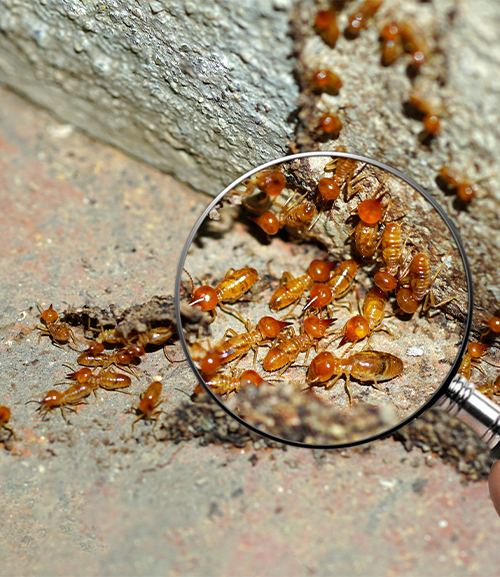
What Are the Signs of Termite Damage?
It's not always easy to spot the signs of termite damage, especially if you're an average person without much knowledge of the termite species. Plus, termites often wreak havoc in unseen areas like drywall, siding, and the framing of your house, so seeing damage isn't always easy. Despite those challenges, there are some common signs and areas for you to consider.
Some common signs of termite damage include:
- Termite Swarms in Your Home
- Discarded Termite Wings in Crawlspaces, Attics, or Other Areas
- Small Holes or Pin Pricks in Walls
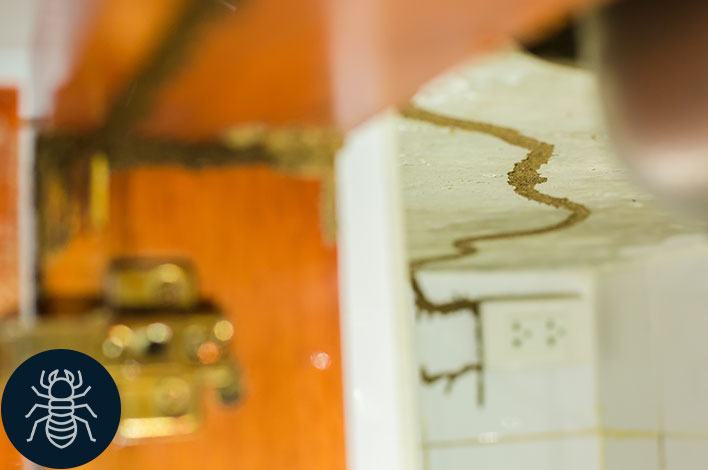
- Mud Tunnels Running Along the Outer Walls of Your House
- Dirt Falling Out of Cracks, Power Outlets, or Holes in Walls
- Warped Doors and Windows
Some of the most common areas where termites do damage include:
- In and Around Chimneys
- Around the Bases of Outside Walls
- In the Floors or Walls of Your Attic
- In Your Crawlspace
- Laundry, Bath, and Utility Rooms
- The Floors and Sinks of Your Kitchen or Bathroom
- Hollowed Out Wooden Areas Around Your Home
What Should I Do if I Find Termite Damage?
If you find termite damage in your home, it's best not to try and fix it yourself. Why? First, repairing damage from termites is a complicated, painstaking endeavor that requires a skilled, tedious approach. Spotting termite damage and knowing how to fix it requires a deep knowledge of how termites behave and live to get rid of them. Second, and perhaps most importantly, taking a DIY approach to termite damage may ruin your termite lawsuit.
That's true even if you have the skills and experience to do so. You might inadvertently destroy important evidence that is key to your case, which may ruin your chances of compensation for damages and poor work. Instead of trying to repair damage on your own, get a second opinion from a trusted inspector. Once your concerns are verified, it's time to call Cobb Hammett Law Firm. Our experienced termite damage attorneys will dig into your case and discover if you're one of the thousands of people with grounds for filing a termite lawsuit.
Who Is at Fault for Termite Damage?
We get this question often at Cobb Hammett Law Firm, though the answer is sometimes unclear. What we do know is that if you're looking for the max amount of compensation, we'll need to discover who was at fault. In some cases, it's easy to determine fault. For example, if you're a new homeowner, and a termite inspector or seller didn't inform you of an infestation, you may have grounds to sue.
However, things get more complex if you rent a home or bought a residence many years ago and have been using a pest control company for termite infestation. You could have grounds for a case against the pest control company, your landlord, or a different third party, depending on the circumstances of your case. That's why working with a termite attorney in North Charleston, SC is so important - so they can investigate the details and damages associated with your infestation and determine who is accountable.
10 Common Excuses for Avoiding Termite Damage Liability
If you have trusted your home with a pest control company and encounter a termite issue, you might not get the help you expect, even if your claim is legitimate. With years of experience fighting big pest control companies and their insurers, we've heard just about every excuse in the book. If you're dealing with a termite problem, be wary if you hear any of the following excuses.
- 01.The contract you signed releases our company of any liability.
- 02.We can't help unless you sign a brand-new contract.
- 03.There's moisture around the damaged areas of your home. We aren't responsible.
- 04.We're under no obligation to discover hidden termite damage.
- 05.We won't review your bond unless your property is re-treated.
- 06.We don't have to pay because you have a re-treat-only contract.
- 07.You need to pay for re-treatment because our chemicals or pesticides have worn off.
- 08.You dug up our chemical barrier. Your infestation is not our fault.
- 09.Our insurance company won't pay you. If you have a complaint, take it up with them.
- 10.We'll cover the cost of fixing damage, but we won't open walls to see if more damage is present.
However, things get more complex if you rent a home or bought a residence many years ago and have been using a pest control company for termite infestation. You could have grounds for a case against the pest control company, your landlord, or a different third party, depending on the circumstances of your case. That's why working with a termite attorney in North Charleston, SC is so important - so they can investigate the details and damages associated with your infestation and determine who is accountable.
Holding Home Inspection Companies Accountable
If you're thinking about buying a new home, hiring a home inspector to spot maintenance and repair issues is a wise idea. But what happens when you spend your hard-earned money on an inaccurate inspection report? What if the report fails to notify you of termite damage or the potential for a termite infestation? In many cases, erroneous inspection reports lead to nasty surprises once you're moved in. When it comes to missed or unreported termite infestations or damage, negligence often falls on the home inspector's shoulders.
If you find yourself in a similar situation, it's crucial that you contact a termite attorney in North Charleston, SC. At Cobb Hammett Law Firm, our termite lawyers have years of experience bringing claims and filing lawsuits on behalf of clients suffering at the hands of negligent or dishonest home inspectors. From compensation for emotional distress to repairs for termite damage, our firm can help right the wrong you had no say in receiving.


Can I Sue a Home Inspector for Negligence?
If your home inspector did not uphold their duties and obligations to you as the home buyer, you could most certainly sue a home inspector.
Unless your termite infestation was new when your home was inspected, it would be hard for a home inspector to miss it. If you just bought a house and you have discovered damage or signs of a termite infestation, contact Cobb Hammett today. Our team of termite damage attorneys may be able to prove that your inspector failed at spotting and reporting termite issues in your new home.
However, proving negligence is easier said than done without a lawyer by your side. Termite inspectors aren't always expected to find every bit of termite damage, and they're often not the final say in whether your home is damage-free. That's why, with Cobb Hammett Law Firm as your advocate, we'll ask the hard-hitting questions needed to discover if your inspector missed termite damage for legitimate reasons or if they were careless and negligent. We'll help facilitate a second inspection if needed and will work tirelessly to earn you the compensation you deserve.

Can I Sue a Home Inspector for Breach of Contract?
You should know that even if your home inspector is legally negligent for missing termite damage or infestations, their liability will often be limited due to the language in their contract.
If your lawsuit doesn't have the proper foundation to prove negligence, your termite damage lawyer in North Charleston, SC may be able to win compensation via breach of contract. In many circumstances, this is the best route to take if it's easier to prove that an inspector violated a contract. For example, suppose the home inspection contract you signed called for a whole-home inspection, and the inspector failed to survey your crawlspace or attic. In that case, you may have a viable claim in court.
At Cobb Hammett Law Firm, we understand that every termite damage case situation is different. As such, we approach every case with a nuanced, multi-faceted strategy crafted with your best interests in mind.
Cobb Hammett Is Here When You Need Us Most
When a termite prevention company or home inspector is negligent and causes damage to your home, it's time to act fast. You need a trustworthy termite attorney in cityname, state by your side to take the proper steps toward getting compensation.
When you depend on Cobb Hammett, LLC, you'll receive personalized attention and proactive representation. That's because we make an intentional decision to limit our law firm's overall caseload. This allows us to better focus on our individual clients, many of whom remain with us for generations. We do not pass off cases to paralegals or junior associates but rather prioritize the attorney-client relationship.
We value compassion and integrity, and our practice reflects those values. If you're ready to take a stand, call our office today. Our termite damage lawyers will help create a better future for you, your family, or your business.
Don't hesitate to ask
Law is complicated matter. It can cause you a big problem if you ignore it. Let us help you!

Latest News in North Charleston, SC
Disclaimer: