
 843-936-6680
Cobb Hammett Law Firm: Giving Hope to
Criminal Defense Clients in
Isle of Palms, SC
Getting charged with a crime in Isle of Palms can be a traumatic experience. Even "petty" crimes can cause an individual's life to fall apart professionally and personally. Spending time in jail is bad enough, but the ramifications of a criminal record run deep, resulting in loss of employment, loss of friends, and even family. For many people, having a zealous criminal defense attorney in Isle of Palms, SC, to defend their rights is the only shot they have of living a normal life.
That's why, if you have been charged with a crime, you need the help of a veteran criminal defense lawyer early in the legal process. That's where Cobb Hammett Law Firm comes in to give you or your loved one hope when you need it the most.
Our criminal defense law firm was founded to help people just like you - hardworking men and women who are looking at diminished employment opportunities and a possible lifetime of embarrassment. But with our team of experts fighting by your side, you have a much better chance of maintaining your freedom and living a normal, productive life. When it comes to criminal law in Isle of Palms, we've seen it all. With decades of combined experience, there is no case too complicated or severe for us to handle, from common DUI charges to complicated cases involving juvenile crimes. Unlike some of our competition, we prioritize personalized service and cutting-edge criminal defense strategies to effectively represent our clients.
Clients rank Cobb Hammett, LLC as the top choice for Isle of Palms criminal defense because we provide:
- One-on-One Counsel
- Education on the Isle of Palms Legal Process and Its Risks
- Ardent, Effective Representation
- Commitment to Our Clients and Defending Their Rights
- Prompt Inquiry Response
- Robust Experience with Criminal Law Cases in Isle of Palms
- Innovative Defense Strategies
- Effective, Thorough Research and Investigation
Choosing the right criminal defense lawyer in Isle of Palms can mean the difference between conviction and acquittal. Our firm has represented thousands of clients in the Lowcountry, and we're ready to defend you too. Some of our specialties include:


DUI Cases
in Isle of Palms, SC
DUI penalties in Isle of Palms can be very harsh. Many first-time DUI offenders must endure a lifelong criminal record, license suspension, and the possibility of spending time in jail. Officers and judges take DUI very seriously, with 30% of traffic fatalities in South Carolina involving impaired drivers, according to NHTSA. Criminal convictions can have lasting impacts on your life, which is why Cobb Hammett Law Firm works so hard to get these charges dismissed or negotiated down. In some cases, we help clients avoid jail time altogether.

When you hire our DUI defense firm, our team will always work towards your best interests and will go above and beyond to achieve the best outcome in your case. Depending on the circumstances of your DUI charges, we will investigate whether:
- Your DUI stop was legal
- You were administered a field sobriety test correctly
- The breathalyzer used was calibrated correctly and properly maintained
- Urine and blood tests were administered and collected properly
The bottom line? Our criminal law defense attorneys will do everything possible to keep you out of jail with a clean permanent record. It all starts with a free consultation, where we will take time to explain the DUI process. We'll also discuss your defense options and speak at length about the differences between going to trial and accepting a plea bargain.
DUI Penalties in Isle of Palms, SC
The consequences of a DUI in Isle of Palms depend on a number of factors, including your blood alcohol level and how many DUIs you have received in the last 10 years. If you're convicted, the DUI charge will remain on your criminal history and can be seen by anyone who runs a background check on you. Sometimes, a judge will require you to enter alcohol treatment or install an interlock device on your automobile.
If you're on the fence about hiring a criminal defense lawyer in Isle of Palms, SC, consider the following DUI consequences:

First Offense

48 hours to 90 days
in jail
with fines ranging from
$400 to $1,000
Second Offense
Five days to three years
in jail
with fines ranging from
$2,100 to $6,500
Third Offense
60 days to five years
in jail
with fines ranging from
$3,800 to $10,000
Additional consequences can include:
1
Alcohol or Drug Treatment
When convicted of DUI in South Carolina, most offenders must join the Alcohol and Drug Safety Action Program. This program mandates that offenders complete a drug and alcohol assessment and follow the recommended treatment options.

2
Community Service
Some first-time DUI offenders in Isle of Palms may choose to complete community service in lieu of jail time. Community service hours are usually equal to the length of jail time an offender would be required to serve.

Sanctions to Your Driver's License
Typically, when a person is convicted of driving under the influence in Isle of Palms, their driver's license is restricted or suspended. The length of restriction or suspension depends on how many prior DUI convictions an individual has.
First DUI Offense
First-time DUI offenders must endure a six-month license suspension. Drivers convicted with a blood-alcohol level of .15% or more do not qualify for a provisional license. However, sometimes they may still drive using an ignition interlock device.
Second DUI Offense
Offenders convicted of a second DUI charge must use an ignition interlock device (IID) for two years.
Third DUI Offense
Offenders convicted of a third DUI charge must use an ignition interlock device (IID) for three years. That term increases to four years if the driver is convicted of three DUIs in five years.

Immobilized Vehicle
For offenders with two or more convictions, the judge will immobilize their vehicle if it is not equipped with an IID. When a judge immobilizes a vehicle, the owner must turn over their registration and license plate. Clearly, the consequences of receiving a DUI in Isle of Palms can be life-changing, and not in a good way. The good news is that with Cobb Hammett Law Firm, you have a real chance at beating your charges and avoiding serious fines and jail time. Every case is different, which is why it's so important that you call our office as soon as possible if you are charged with a DUI.
Traffic Violation Cases
Most drivers brush off traffic law violations as minor offenses, but the fact of the matter is they are criminal matters to be taken seriously. Despite popular opinion, Traffic Violation cases in Isle of Palms can carry significant consequences like fines and even incarceration. If you or someone you love has been convicted of several traffic offenses, your license could be suspended, restricting your ability to work and feed your family.
Every driver should take Traffic Violations seriously. If you're charged with a traffic crime, it's time to protect yourself and your family with a trusted criminal defense lawyer in Isle of Palms, SC. Cobb Dill Hammett, LLC is ready to provide the legal guidance and advice you need to beat your traffic charges. We'll research the merits of your case, explain what charges you're facing, discuss your defense options, and strategize an effective defense on your behalf.
Common Isle of Palms
Traffic Violations That Cobb Hammett Law
Firm Fights
There are dozens and dozens of traffic laws in Isle of Palms, all of which affect drivers in some way. Our Isle of Palms defense attorneys fight a full range of violations, including but not limited to the following:

- Driving Under Suspension: If you drive while your license is suspended, revoked, or canceled, you could be looking at 30 days in jail and fines up to $300.
- Driving Under the Influence: Operating a motor vehicle while intoxicated on drugs or alcohol is illegal and often results in jail time and fines.
- Reckless Driving: You could be ordered to pay up to $200 in fines or jailed for up to 30 days if you drive with wanton disregard for the safety of other people.
- Racing: You can be cited and fined if you aid or participate in street racing.
- Hit and Run: When you leave the scene of an accident that involved injury to another party, you can be arrested. This serious charge can lead to up to one year in jail and fines of up to $5,000 for first-time offenders.
- Disregard Traffic Signals: Drivers must obey all traffic signals and control devices, less they be ticketed and sometimes fined.
As seasoned traffic violation lawyers, we know how frustrating it can be to get charged with a Traffic Violation. While some traffic charges can be minor, others are severe and can affect your life for years to come. Don't leave your fate up to chance call Cobb Hammett Law Firm today for the highest-quality Traffic Violation representation in Isle of Palms.
Juvenile Crime Cases in
Isle of Palms, SC
At Cobb Dill Hammett, LLC, we understand that children are still growing and learning about the world around them. As such, they may make mistakes that get them into trouble with the law. Children and teens who are arrested in Isle of Palms can face much different futures than other children their age. Some face intensive probation, while others are made to spend time in jail.
This happens most often when a child's parents fail to retain legal counsel for their son or daughter. Cases referred to the South Carolina Department of Juvenile Justice often move quicker than adult cases, so finding a good lawyer is of utmost importance. With that said, a compassionate criminal defense attorney in Isle of Palms, SC, can educate you and your child about their alleged charges. To help prevent your child from going to a detention center, we will devise a strategy to achieve favorable results in their case.

Juvenile Detention Hearings
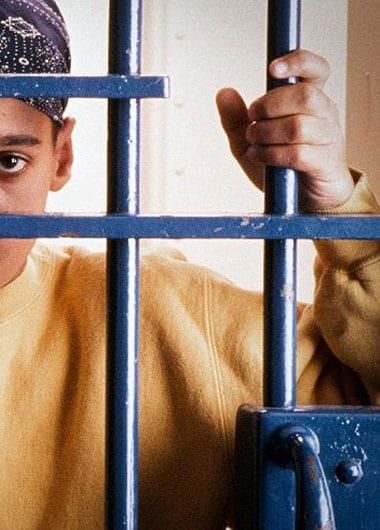
Unlike adults, juveniles don't have a constitutional right to a bond hearing. Instead, once your child is taken into custody a Detention Hearing is conducted within 48 hours. This hearing is similar to a combination of a Bond Hearing and a Preliminary Hearing. Unfortunately, there is little time to prepare for these hearings, which is why you must move quickly and call Cobb Hammett law firm as soon as possible.
Our team gathers police reports, petitions, interviews your child at the DJJ, speaks with you about the case and talks to the prosecutor to discover if they have plans for detention. In most cases, we strive to avoid detention and seek alternatives like divisionary programs or treatment facilities. This strategy better addresses your child's issues and keeps them out of the juvenile legal system in Isle of Palms. If your child is charged with a crime, and South Carolina decides to prosecute, your child will appear before a family court judge, who will find them delinquent or not delinquent. There are no juries in juvenile cases in South Carolina, which is why it's crucial to have a lawyer present to defend your child if they go in front of a judge.
Common penalties for juveniles charged with crimes in Isle of Palms include:

- Probation: Children charged with probation are released to their parents or guardians. Depending on their charges, they must abide by certain stipulations while at home and may be subject to random drug screenings. Violation of probation often results in jail time.
- 90 Days in Juvenile Detention Center: When probation is not a viable option, prosecutors may push for 90 days of jail time in a juvenile detention facility.
- Juvenile Detention: Children who commit very serious crimes can be sent to a juvenile detention center for a long time. These sentences can last up to the child's 21st birthday.
- School Expulsion: When a child is convicted of a crime, their school is notified of the offense. Sometimes, the administration may decide to expel the child from school for the misdemeanors or felonies they commit.
We Fight to Protect
Your Rights So You Can
Provide for Your Family
Whether you are facing a DUI charge or a serious traffic violation, Cobb Hammett Law Firm is here to fight for your rights so you can continue living life. The future might seem bleak, but our criminal defense lawyers in Isle of Palms, SC, have the tools, experience, and strategy to win your case, as we have with so many others. Don't lose hope call our office today and maintain your freedom tomorrow.
Ask us anything
Call Now 843-936-6680 PH
Latest News in Isle of Palms, SC
SC beach advocates discuss management challenges, intentions for 2025
Caitlin Ashbaughhttps://www.live5news.com/2025/01/16/sc-beach-advocates-discuss-management-challenges-intentions-2025/
Published: Jan. 16, 2025 at 1:45 PM PST|ISLE OF PALMS, S.C. (WCSC) - Federal, state and local beach advocates are workshopping how to prioritize the protection of beachfront access along some of the Southeast’s most beloved waterfronts.The 11th annual South Carolina Beach Advocates conference opened its panel on Thursday. The conference began more than a decade ago with the intention of consolidating funding and beach management along the state’s coastline, something Administrator Nicole Elko said did not exist when...
Published: Jan. 16, 2025 at 1:45 PM PST|
ISLE OF PALMS, S.C. (WCSC) - Federal, state and local beach advocates are workshopping how to prioritize the protection of beachfront access along some of the Southeast’s most beloved waterfronts.
The 11th annual South Carolina Beach Advocates conference opened its panel on Thursday. The conference began more than a decade ago with the intention of consolidating funding and beach management along the state’s coastline, something Administrator Nicole Elko said did not exist when she took on the role.
“We’re all looking for funds, we’re all battling the same issue. Permitting takes a long time, projects take a long time and projects cost a lot more than they used to. It’s hard in these small communities and we need the state’s help,” Incoming Chair and Mayor of Isle of Palms Phillip Pounds said.
Several of the local communities have set up projects involving the U.S. Army Corps of Engineers, who attended the conference. In a keynote speech, the group announced its most recent effort to renourish and preserve the shoreline in Myrtle Beach.
The $72 million project will cover 26 miles of the beachfront.
“Our beach projects, a lot of people go there to recreate and play, we know it’s a big economic driver for the state of South Carolina and the nation, but really the reason we build beaches is not just to recreate, it’s to protect the infrastructure behind the dunes,” Chief of Civil Works Jeff Livasy said.
This year, the group is hoping to implement long term, state commitment and create proactive initiatives rather than banking on emergency funding or projects. Elko said Governor Henry McMaster appropriated $5 million into the efforts this year, and previously, up to $50 million.
Eleven Lowcountry communities, including Georgetown, Hilton Head, Myrtle Beach, Kiawah Island, Isle of Palms, Folly Beach, Edisto Beach, Pawleys Island, Sullivans Island and the DeBordieu Colony Community Association, presented their findings from the past year.
Many of the beach access points faced detrimental challenges after the longterm impacts of inclement weather, including Hurricane Ian, a Nor’Easter in 2023 and Tropical Storm Debby in 2024.
Kiawah Island Mayor Brad Belt claimed its strongest struggles come from how to manage natural resources both on the marsh side and beach shoreline. The area suffered from inundation along the one major roadway which provides a single entry and exit point to islanders. Uniquely, the area is also mostly private owned spaces, with only an exception of Beachwalker Park, and the town’s 3 miles of roadway and 21 acres of land. This complicates efforts to use public sector funding to preserve the area.
Isle of Palms Administrator Douglas Kerr reported a continued concern for beach erosion along the Wild Dunes resort and Breech Inlet. The group has attempted improvements with a beach preservation ad hoc committee. Despite this, Kerr believes there needs to be money and permits in place to create strategies before a storm passes through and causes detrimental damage.
Folly Beach Administrator Aaron Pope mentioned a continuous cycle of efforts to renew and manage the beach, however political will and a lack of staff creates challenges for submitting grant applications or educating the community on efforts.
Sullivans Island Administrator Joe Henderson claimed similar issues with erosion on the eastern and western ends of town, plus stormwater management concerns. The town will move forward on plans to construct native stormwater infrastructure within the next two or three years.
The other seven panelists reference similar issues crowding their ability to preserve shorelines.
“You’re trying to outguess Mother Nature, you’re trying to anticipate a storm ‚and save as much money as you can while spending money on other projects as well. It’s a constant story to have to tell, the economic impact beach communities have,” Pounds said.
South Carolina beaches attract more than 140 million visitors every year, according to Elko’s findings. This generates $23.8 billion in economic impact for the state.
Elko also claimed beach tourism contributes $1.2 billion in state tax revenue, representing two-thirds of the state’s total tourism revenue. Tourists generate more than $1200 in economic development for every $1 invested into beaches, and more than $250 in state taxes for every $1.
The goal, Elko said, of the conference is to create resilience funding to protect the state’s most valuable asset for future generations.
The conference will continue into Friday. The group will hear from legislators and Governor Henry McMaster.
The next annual conference will be held Jan. 2026 in Hilton Head.
Copyright 2025 WCSC. All rights reserved.
These 8 Towns Are South Carolina's Best-Kept Secret
WorldAtlashttps://www.worldatlas.com/cities/these-8-towns-are-south-carolina-s-best-kept-secret.html
South Carolina has a mystical, compelling charm like no other state in America. It is full of teeny towns with classic southern charm, whether it’s inland or coastal. There’s no shortage of things to do and see in and around these lovely little towns. From the historical downtown of Beaufort to the luxurious beach resorts of Isle of Palms and the gorgeous mountain scenery of Landrum, discover these South Carolina towns and unravel their secrets.Beaufort ...
South Carolina has a mystical, compelling charm like no other state in America. It is full of teeny towns with classic southern charm, whether it’s inland or coastal. There’s no shortage of things to do and see in and around these lovely little towns. From the historical downtown of Beaufort to the luxurious beach resorts of Isle of Palms and the gorgeous mountain scenery of Landrum, discover these South Carolina towns and unravel their secrets.
Beaufort
Beaufort is located on Port Royal Island and is the second oldest city in South Carolina. Its entire downtown is a designated historic district by the National Trust for Historic Preservation, so it is a natural choice destination for history buffs! Visitors can stop by the Beaufort Visitor Center and pick up a guide for a self-guided tour around the homes of the historic district before venturing over to the Beaufort History Museum, originally an arsenal. Lunch at Bricks on Boundary or the cute corner café, Blacksheep, will keep travelers satiated for a walk around the nearby Hunting Island State Park. The park features 3 public beaches, a lighthouse, a fishing pier, and nature trails that the whole family can enjoy. Stay at the top-rated 607 Bay; a bed and breakfast that also organizes charters or kayaking adventures for guests.
Edisto Island
Known for being a gently developed beach along the South Carolina Coastline, Edisto Island is a perfect destination for anyone looking to be surrounded by beachy nature without all the hype and tourism. There are no hotels on Edisto Island, so visitors can choose to camp at Edisto Beach State Park or stay at a rental beach house advertised on Edisto Realty. Travelers love the easy flow of biking down the 5-mile Edisto Island Bike Path which winds around the back side of town. Rentals are available at Island Bikes and Outfitters. McConkey’s Jungle Shack is a local favorite for beachy drinks and classic sandwiches.
Hartsville
Home to Coker University, Hartsville is a small town in north central South Carolina that attracts visitors for its history, outdoor recreation, and charming downtown. A stay at the Mantissa Executive Suites & Spa is an intimate boutique hotel to spend evenings at with a rooftop bar and it is conveniently located across the street from The Blind Pig, serving up classic American fare and fabulous cocktails. In the mornings, travelers can grab a tasty coffee at Crema before heading to Kalmia Gardens, a public botanical garden with trails that wind through a variety of animal and plant life.
Isle of Palms
An hour north of Charleston, Isle of Palms is known for its world-class luxury for guests; from its top-notch golf courses to award-winning spas, Isle of Palms is for the lavish traveler. Wild Dunes Resort, the 1600-acre retreat, has two golf courses, a full-service spa, 1 clay tennis court, and 5 pickleball courts. The public Isle of Palms beach is great for sunbathing or catching a sunrise. The Islander is a rowdy way to end a day out in Isle of Palms with your friends and family; they have consistent live music, trivia nights, and delicious seafood sharables or main dishes like ahi tuna Bruschetta or local Oysters.
Walhalla
Walhalla or “Garden of the Gods” is a lovely mountain town in upstate South Carolina. Visitors can plan to book ahead for a one-of-a-kind stay in the Majestic Treehouse, a cozy cottage surrounded by 40 acres of forest, creeks, gardens, and trails to wander. In town, guests will find the Museum of Cherokee and Oconee History Museum or fun shops like Sunni Ann Mercantile Company. Nearby Sumter National Forest is a haven for hikers in the Southern Appalachians with waterfall views on trails like Big Bend Falls and Foothills Trail.
Lake City
A small town dedicated to art in action, Lake City is a visual experience. Visitors to Lake City will find painted murals and sculptures like “Geisel’s Garden” throughout town, along with accessible art centers featuring exhibitions at Acline Studios or Trax Visual Art Center. Piggyback’s BBQ & Catfish is a local hub for southern fare with delicious bbq platters and catfish baskets. Overnights at the artfully designed 'The Inn at Crossroads,' will put travelers in the middle of downtown with an in-house bar and restaurant, Lake City Bistro. At Riverrat’s, kayaks and paddleboards are available for rent to paddle along the Lynches River.
Laurens
In the piedmont of South Carolina, Laurens is a tight-knit, growing town of welcoming locals. Laurens has a rich history that can be tracked through the walls and exhibits of Laurens County Museum or sites like the Battle of Musgrove Mill State Historic Site, the location of the Battle of Musgrove Mill, around half an hour away. Whiteford’s Giant Burger is a legendary spot to grab a hearty burger, serving customers since 1957 with quality being their highest priority. At Lake Greenwood State Park, anglers can rent equipment and catch a variety of fish: bass, crappie, bream, perch, catfish, or stripers.
Landrum
Founded in 1880 and situated against the southern end of the Blue Ridge Mountains, Landrum is a delightful little town and a breath of fresh air. Hikers base themselves in Landrum to trek the popular Palmetto Trail’s Blue Wall Passage, a 14-mile moderate trail featuring a 30-foot waterfall. Post-hike food fuels are best fulfilled at Southside Smokehouse, known for its variety of specials and Cajun-inspired recipes. The Landrum Farmers Market is not to be missed on Saturdays from April through December featuring live entertainment, homemade foods or crafts, and fresh produce.
The scattered small towns of South Carolina offer a variety of landscapes, the famous southern charm from welcoming locals, and a kind of mysticism in the air that’s unmistakable and alluring. From the upstate southern end of the Appalachia’s to the relaxed Atlantic coastline, South Carolina truly has a small town for all kinds of kinds. South Carolina’s small communities have a way of carving unforgettable memories into all who wander around them.
Share
There are at least 3 ways to avoid paying $25 to park at the beach on Isle of Palms
David Slade [email protected]https://www.postandcourier.com/business/there-are-at-least-3-ways-to-avoid-paying-25-to-park-at-the-beach/article_f6515dec-df42-11ef-b757-b73aad93c2ab.html
In suburban Philadelphia where I grew up, going to the beach meant driving east across New Jersey, paying per-person fees for access and pinning "beach tags" to bathing suits to prove the fees had been paid.I've long appreciated South Carolina's free public beaches, first as a child visiting most summers, then as an adult living here more than 20 years.But while the...
In suburban Philadelphia where I grew up, going to the beach meant driving east across New Jersey, paying per-person fees for access and pinning "beach tags" to bathing suits to prove the fees had been paid.
I've long appreciated South Carolina's free public beaches, first as a child visiting most summers, then as an adult living here more than 20 years.
But while the beaches are free, parking can be costly.
Just days ago Anna Sharpe reported that the Isle of Palms has increased its parking lot rate to $25 on a Saturday, Sunday or holiday from Memorial Day through Labor Day. Parking meters must be fed $3 per hour.
The $25 cost for parking lots matches the rate at the 445-parking-space Isle of Palms County Park, which is adjacent to the city's metered parking and lots near Front Beach (Ocean Boulevard) businesses.
That's expensive, but the important thing to know is that paying for parking on the Isle of Palms is almost entirely a matter of personal choice. I mean, you can't avoid paying if you park in a lot or at a meter, but you don't have to park there.
IOP, like neighboring Sullivan's Island, has many hundreds of free parking spots in the public right-of-way. On the Isle of Palms most of them are along Palm Boulevard on the east side of the business district, from 21st to 40th avenues and from 42nd to 53rd avenues.
There are limited spots on the west side of the island, along 3rd through 9th avenues between Ocean and Carolina boulevards.
Those who park in the free spots should know that parking enforcement is quite strict, and vehicles must be at least 4 feet off the pavement, which isn't always easy.
Last year the city's contracted parking enforcers — a company that got to keep 24 percent of the money from fines — issued more than 5,600 tickets for between $50 and $100 each.
One option to avoid fees and parking tickets on weekends is to take the free Beach Reach shuttle bus from Mount Pleasant Towne Centre, at Market Center Boulevard, where parking is free. If you're driving, it's of course inconvenient to stop just minutes from the beach and wait for a bus to take you there, but it does solve the parking dilemma.
When my family was living in Mount Pleasant with a young child, the Isle of Palms was our closest beach. We usually parked in the county park lot, or in a free space not far away, for two reasons: the availability of lifeguards and bathrooms.
People can use the county park and its services without paying to park there, and county residents can park there for far less than the advertised rate.
For regular beach-goers and, I would think, most families with children, a Charleston County parks Gold Pass is a great option. For $80 — $65 for those age 60 or older and $95 for non-residents — that covers parking and park entrance fees for a year, for up to 15 people per vehicle.
A Gold Pass includes festival admissions, too, and comes with discounts on things such as equipment rentals.
So, for those who live here, it doesn't have to cost money to park at the beach. And regular visitors to the Isle of Palms who want amenities and lifeguards should consider buying a Gold Pass.
Parking rates are increasing on Isle of Palms for the first time in 5 years. Here's why.
Anna Sharpe [email protected]https://www.postandcourier.com/news/iop-beach-parking-rates/article_f43df60e-dd86-11ef-bc85-1b1fdd296309.html
ISLE OF PALMS — Prepare to pay more to park for trips to the beach this summer.The city of Isle of Palms approved a fee increase for the city's two lots and on-street parking, bringing the cost to park on a peak-season weekend up to $25.Daily rates for the municipal parking lots on Pavilion Drive will remain at $10 for March and April.Memorial Day through Labor Day, which is consi...
ISLE OF PALMS — Prepare to pay more to park for trips to the beach this summer.
The city of Isle of Palms approved a fee increase for the city's two lots and on-street parking, bringing the cost to park on a peak-season weekend up to $25.
Daily rates for the municipal parking lots on Pavilion Drive will remain at $10 for March and April.
Memorial Day through Labor Day, which is considered peak season, rates will increase to $15 during the week and $25 on Saturday, Sunday and holidays.
After Labor Day, rates will drop back to $10 for the rest of September and October. Parking will remain free in the offseason from November through February.
On-street parking will be more costly, too. Paid parking spots along Ocean Boulevard between 10th and 14th Avenue will rise from $2.50 per hour to $3 per hour.
The $60 seasonal parking passes, which allowed beachgoers to park in the municipal lots without daily payment, will now only be available to island employees. In its place, visitors can purchase a weekly pass for $100.
No fees or permits are required to park in the public rights-of-way, including the marked spaces along Palm Boulevard.
The city brought in over $1,300,000 in parking revenue in 2024, a roughly $47,000 increase from funds collected from paid lots and meters in 2023.
The rise in parking fees is meant to bring the city's rate to where the city "should have been in the first place," Councilman Jimmy Ward said during the meeting.
The fee increase is the first since 2020. City leaders voted to increase parking to its current rates of $2 an hour on-street, $10 during the week and $15 on weekends and holidays.
Before that, the lots cost $1 an hour and on-street parking spaces were $1.50 per hour.
The city also raised the prices of fines for parking violations to its current rates, which will not be impacted by the council's Jan. 28 decision.
Officials at the time said the fee increase was done to control the "unbridled growth" across the tri-county area.
"Our residents want us to do something about trying to control what's been happening to our island," Jimmy Carroll, then-mayor of the island, said at the time.
Mayor Phillip Pounds said the new rates model those of the Isle of Palms County Park, a Charleston County operated park with a 445-car capacity parking lot. Parking can cost up to $25 on holidays and weekends during the summer.
Visitors can purchase a Gold Pass from the county for $80 for Charleston County residents and $95 for non-residents, which allows visitors to bypass admission fees for several parks, including the Isle of Palms.
Raising funds for beach preservation, maintenance
The decision to increase parking fees comes at a time when coastal communities are working to find funding for beach maintenance and renourishment projects.
Rising costs of mobilization and sand have pushed beach communities get creative in order to fund preservation measures, which leaders discussed during a South Carolina Beach Advocates conference on the Isle of Palms in January.
An estimated $60 million in locally funded beach management projects are slated for the Palmetto State's coastal communities this year, including roughly $3 million on the Isle of Palms.
More fee increases could be on the way for the Isle of Palms to help fund its next large-scale beach renourishment project, based on recommendations from the city's Beach Preservation Ad Hoc Committee.
"To be as proactive as the community would like to be has an enormous price tag," Interim City Administrator Douglas Kerr said on Jan. 16. "We have to raise revenues to fund all of these initiatives, and that's going to be a very tough part of this project."
Some gated communities, like Seabrook and Kiawah Island, pull from homeowners' and property owners' fees, while Pawley's Island relies on accommodations taxes to fund beach renourishment projects.
Protecting South Carolina's coast: IOP Leaders push for more state funding
Jason Tighehttps://abcnews4.com/news/local/protecting-south-carolinas-coast-iop-leaders-push-for-more-state-funding-wciv-abc-news-4-isle-of-palms-south-carolina-beach-advocates-army-corps-of-engineers-charleston
Protecting the South Carolina coast is a priority for many, including coastal community leaders, environmental advocates, state and federal lawmakers, and the U.S. Army Corps of Engineers. This week, these stakeholders are gathering at Wild Dunes on the Isle of Palms for the 11th annual South Carolina Beach Advocates meeting. (WCIV)ISLE OF PALMS, S.C. (WCIV) — Protecting the South Carolina coast is a priority for many, including coastal community leaders, environmental advocates, state and federal lawmakers, and the U.S. Army Co...
Protecting the South Carolina coast is a priority for many, including coastal community leaders, environmental advocates, state and federal lawmakers, and the U.S. Army Corps of Engineers. This week, these stakeholders are gathering at Wild Dunes on the Isle of Palms for the 11th annual South Carolina Beach Advocates meeting. (WCIV)
ISLE OF PALMS, S.C. (WCIV) — Protecting the South Carolina coast is a priority for many, including coastal community leaders, environmental advocates, state and federal lawmakers, and the U.S. Army Corps of Engineers. This week, these stakeholders are gathering at Wild Dunes on the Isle of Palms for the 11th annual South Carolina Beach Advocates meeting.
IOP Mayor Phillip Pounds emphasized the importance of preserving the coastline, describing the area as "a slice of paradise" with its seven miles of beach, easy access, ample parking, and vibrant local businesses.
However, maintaining the beachfront is both challenging and costly. Mayor Pounds revealed that the city plans to participate in a $20 million renourishment project next year, with the city bearing a significant portion of the cost. He expressed a desire for the state to play a more active role in funding such initiatives.
"For us not to have an ongoing state-level funding mechanism for beach renourishment is something that needs to change," said Pounds. "That's one of the main focuses of this group."
Pounds noted that future renourishment spending could reach $200 million in the coming decades. While the city plans to fund most of the work for now, Pounds acknowledged the need for external assistance.
READ MORE | "South Carolina DPH offers free OD safety kits to combat rising opioid overdose deaths"
"We can't tax our way out of that scenario. We can't bring enough short-term rentals. We can't bring enough tourists to the island to pay for that," he said.
The city is exploring partnerships with the state and other entities, including early discussions with the U.S. Army Corps of Engineers. Several other coastal communities have already partnered with the Army Corps.
Jeff Livasy of the Army Corps of Engineers highlighted the significance of their work in the region. "It means everything to us. Although we're a part of the federal government, we live, work and play here in the Lowcountry," Livasy said.
The Army Corps' Charleston division recently completed a renourishment project on Folly Beach. Livasy emphasized their long-term commitment to coastal projects, stating, "We partner with them for the long term. Not just annual projects. But some of our projects have a fifty-year life."
Disclaimer: